Home / Programs & Services / Invertebrates / Flies
Flies
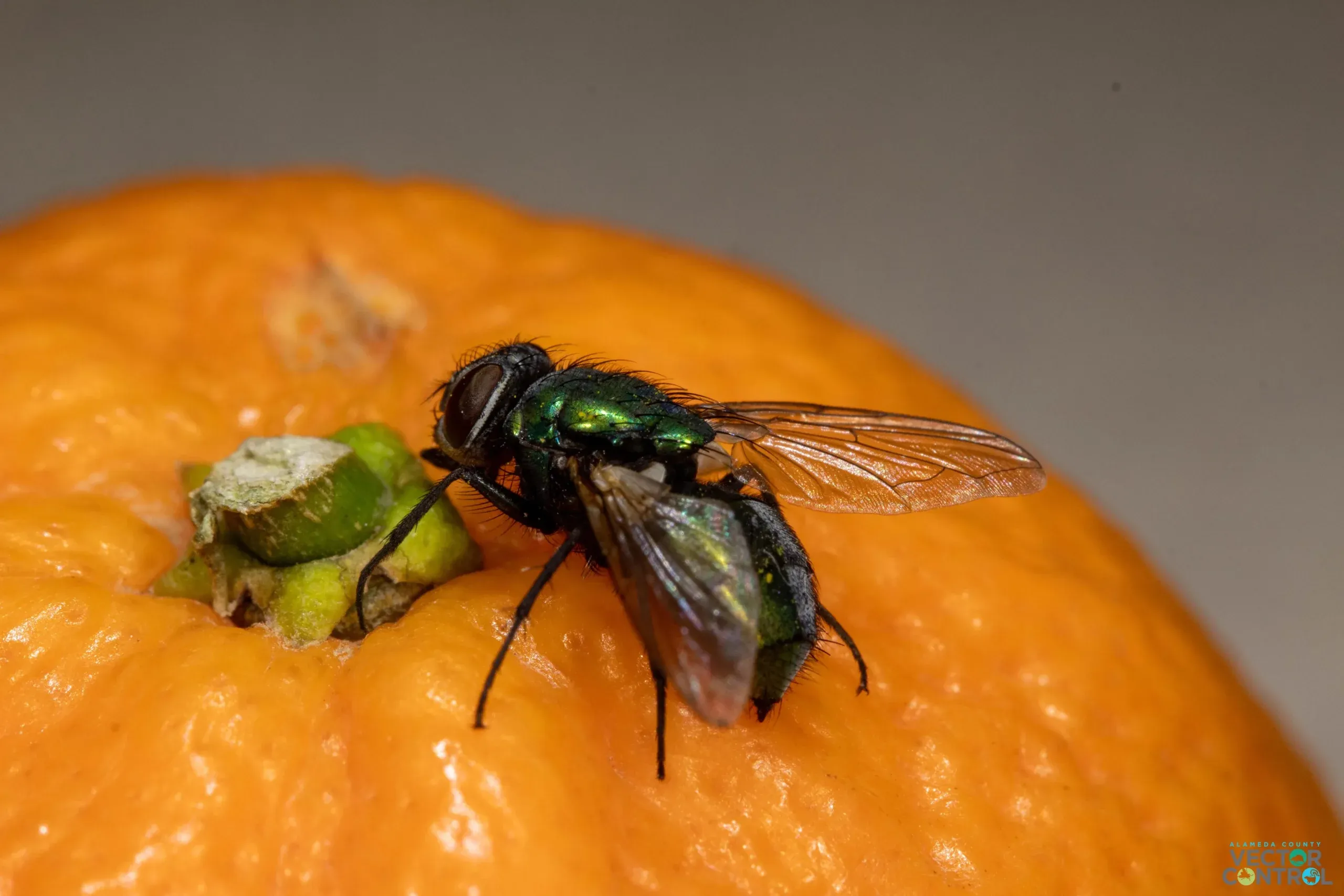
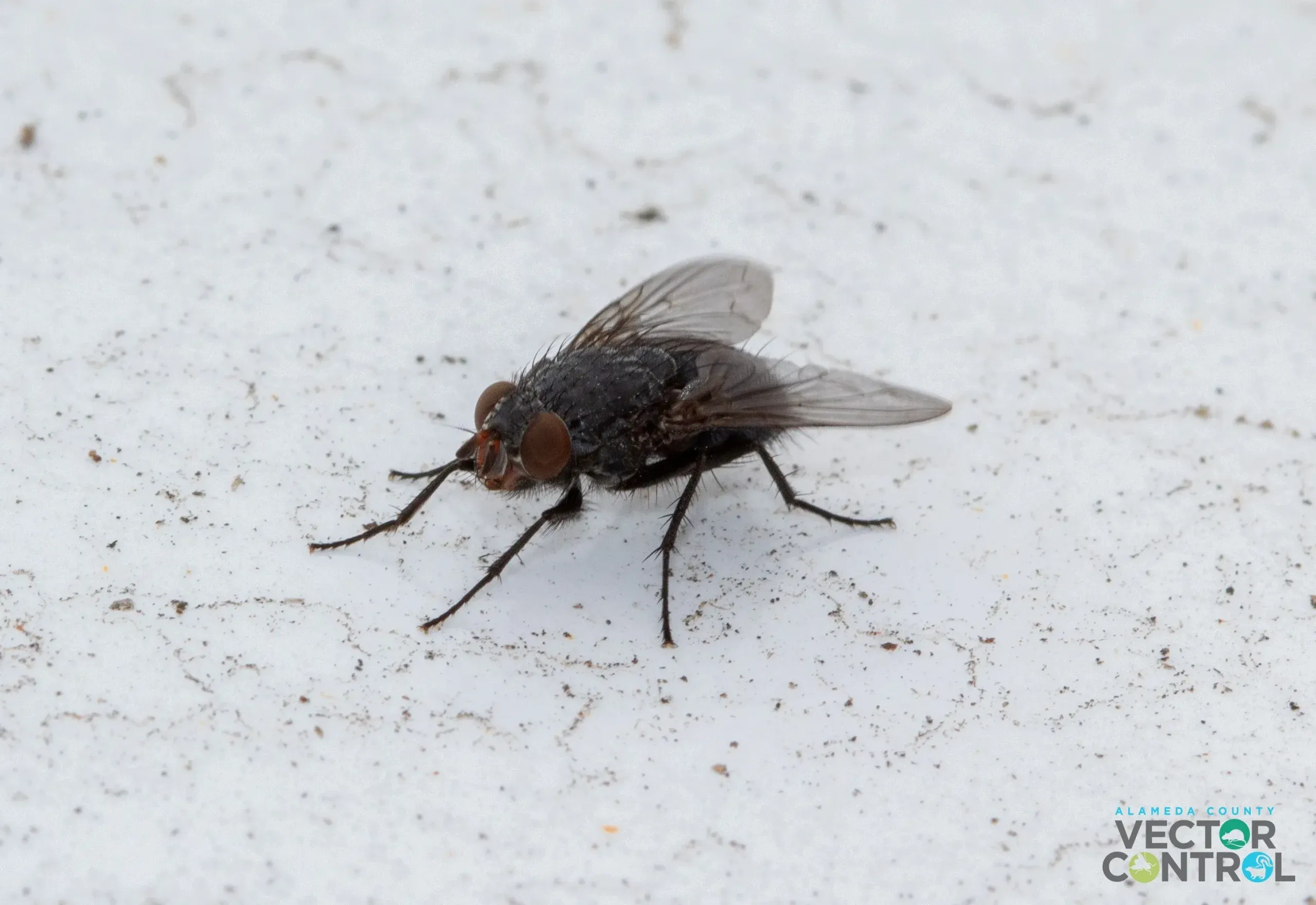
Flies undergo complete metamorphosis, meaning that their lifecycle consists of the four stages of egg, larval, pupal, and adult forms. Most flies play an important role in ecosystems, for example they may provide food for wild animals and help decompose organic matter. The organic matter varies and can be vegetative or animal in origin. Unfortunately, their larval habitats and breeding sources are often found in unsanitary locations, which can result in public health issues.
Vector Significance
- Flies can transmit pathogens by breeding and landing on contaminated surfaces such as garbage, pet waste, manure, and dead animals
- They may pass along bacteria, viruses, and parasites that can cause human illness after they land on human food that later becomes ingested
- When population numbers are high, they can become a nuisance
Vector Control Services
- Vector Control Biologists can identify the fly species and help locate breeding sources, food sources, and possible attractants
- Vector Control Biologists provide recommendations for reducing fly populations
Requesting Services
If you are interested in our services and want to request inspection, click the button below:
What can the public do?
- Ensure that windows have tight fitting screens
- Pet waste should be removed daily, and left for no more than one week
- Garbage bins should have tight fitting lids and be emptied regularly
- Keep the house clean and free of food waste and organic matter
- Inspect the yard and remove any freshly decomposing plant and animal matter, including dead snails
Flies