
Commensal Rodents

Vector Significance
- Rodents can transmit disease-causing pathogens through their urine and feces
- Rodent droppings can contaminate surfaces with pathogens such as Salmonella, Leptospira and lymphocytic choriomeningitis
- Rodents may act as a reservoir species for diseases such as bubonic plague and murine typhus
- They can also be hosts to associated ectoparasites, especially fleas and mites
- Fleas infected with pathogens can spread disease from rodent to rodent and rodent to human via a bite or infected fecal material
Vector Control Services
District Vector Control Biologists can:
- Identify what rodent species is present
- Help identify signs of rodent activity, potential entry points into structures, and possible attractants on the property
- Provide recommendations and education on repairs, property clean-up and proper rodent-proofing of structures
Requesting Services
What can the public do?
- Make sure there are no openings into your home with a diameter larger than a quarter inch
- Seal openings with quarter-inch hardware cloth (galvanized steel wire mesh) or strong metal flashing
- Reduce harborage sites around your home that can attract rodents, such as dense vegetation and clutter
- Keep trees from touching the roof line
- Pick up fallen fruit and do not let it accumulate in your yard
- Sweep up spilled birdseed
- Ensure that garbage cans are tightly covered and avoid feeding pets or wildlife outdoors
Types of Commensal Rodents
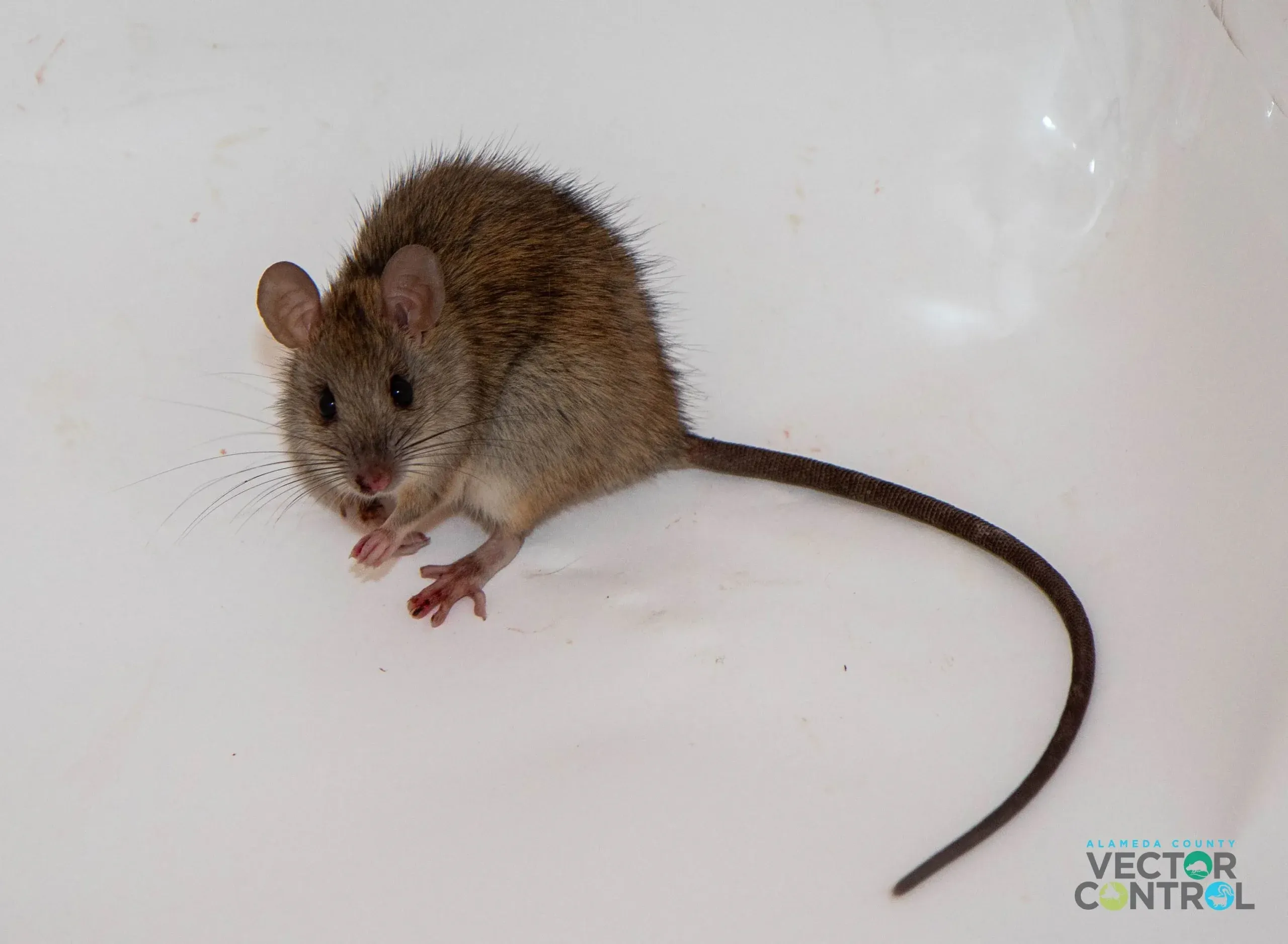
Roof Rat (Rattus rattus)
Compared to the Norway rat, the adult roof rat is slightly smaller with darker fur and a tail longer than its body. Roof rats have a pointed snout and larger ears and eyes. Their nests are typically found in dense vegetation or wood piles outdoors and attics and wall voids indoors. Being excellent climbers, they can easily enter structures though small openings often invading attics but are also found in subareas or wall voids. Their diet varies, but there is a preference for fruits, nuts, seeds, snails, and pet food.
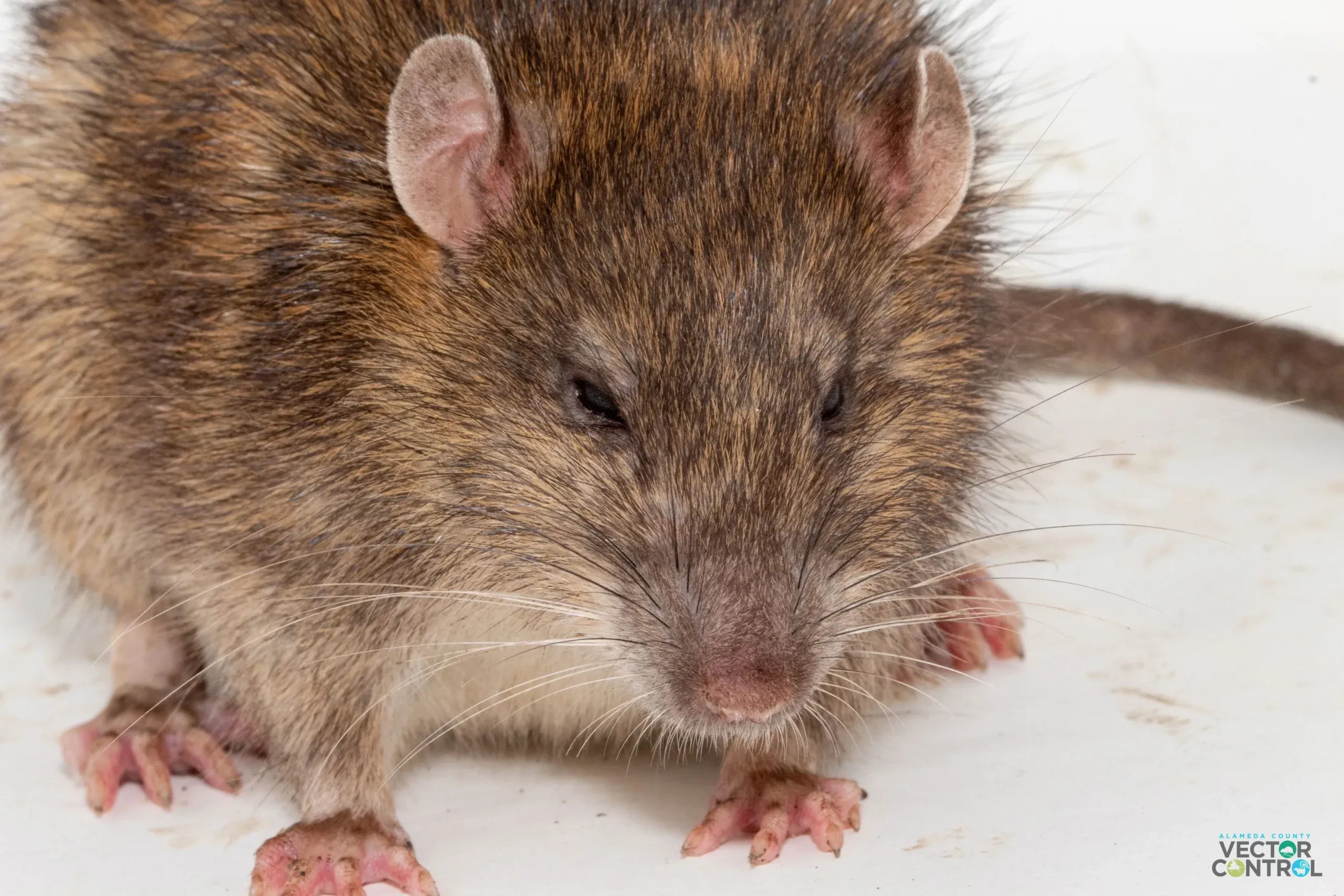
Norway Rat (Rattus norvegicus)
Compared to the roof rats, the adult Norway rat’s body is larger with lighter colored fur. They have a blunter snout, smaller ears and eyes, and a shorter tail than the roof rats. Efficient at digging and typically nesting in underground burrows, they also colonize the sewer systems giving them the moniker “sewer rat”. Norway rats diet varies but prefers protein-rich foods such as dog food and meat. They can cause major structural damage to homes and infrastructure.
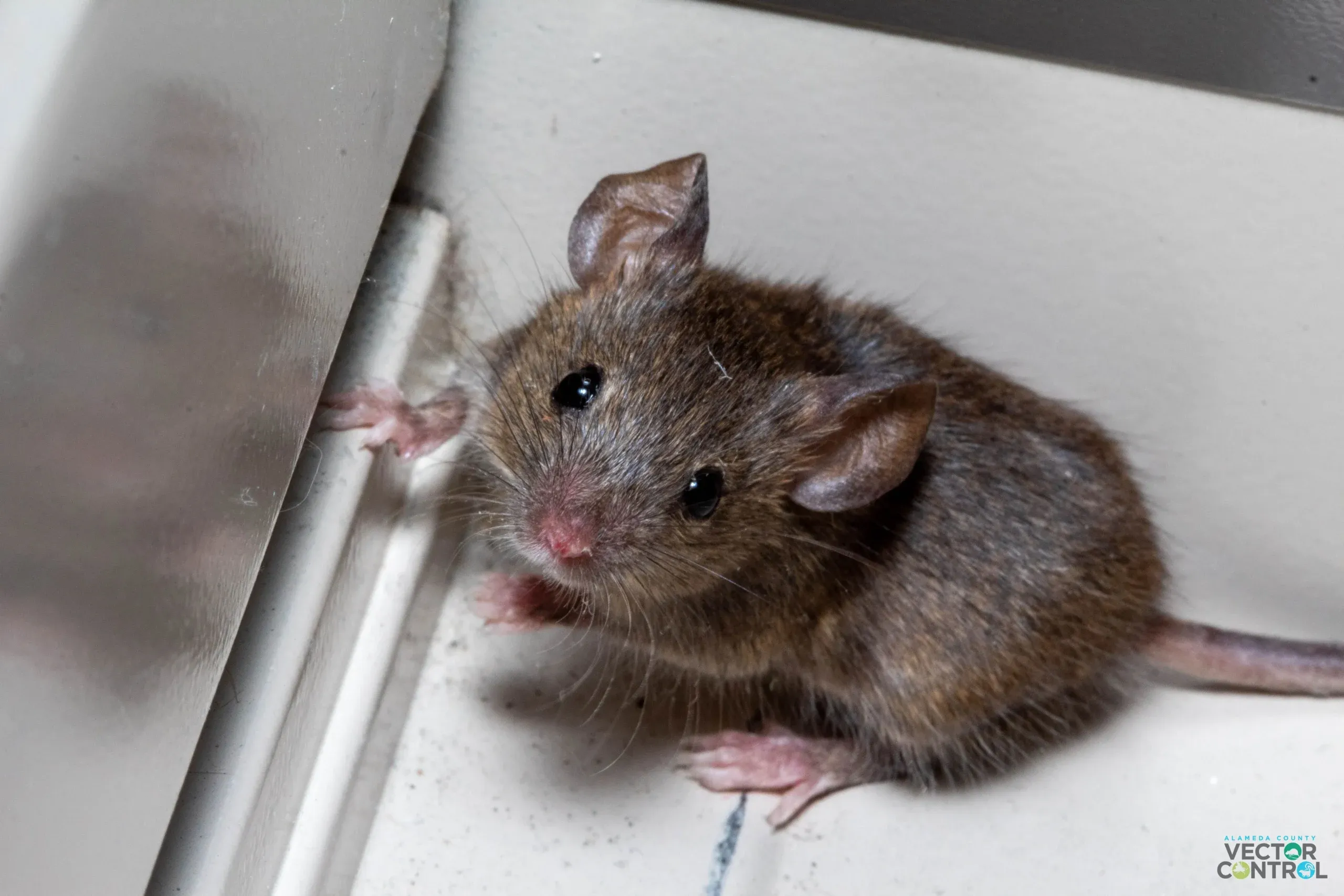
House Mice (Mus musculus)
The smallest of the commensal rodents, adults measure 5-to-7 inches long, including the tail, which can measure 3-to-4 inches. House mice are highly adaptable, widespread, and their fast reproductive rate makes them the most common rodent infestation in homes. Infestations are typically identified by fecal droppings and a strong urine smell. They often construct nests using shredded materials, and damage property by contaminating them with urine, feces and chewing. Mice have a varied diet but prefer grains and are consider “nibblers”.